Radio stations and coverage.
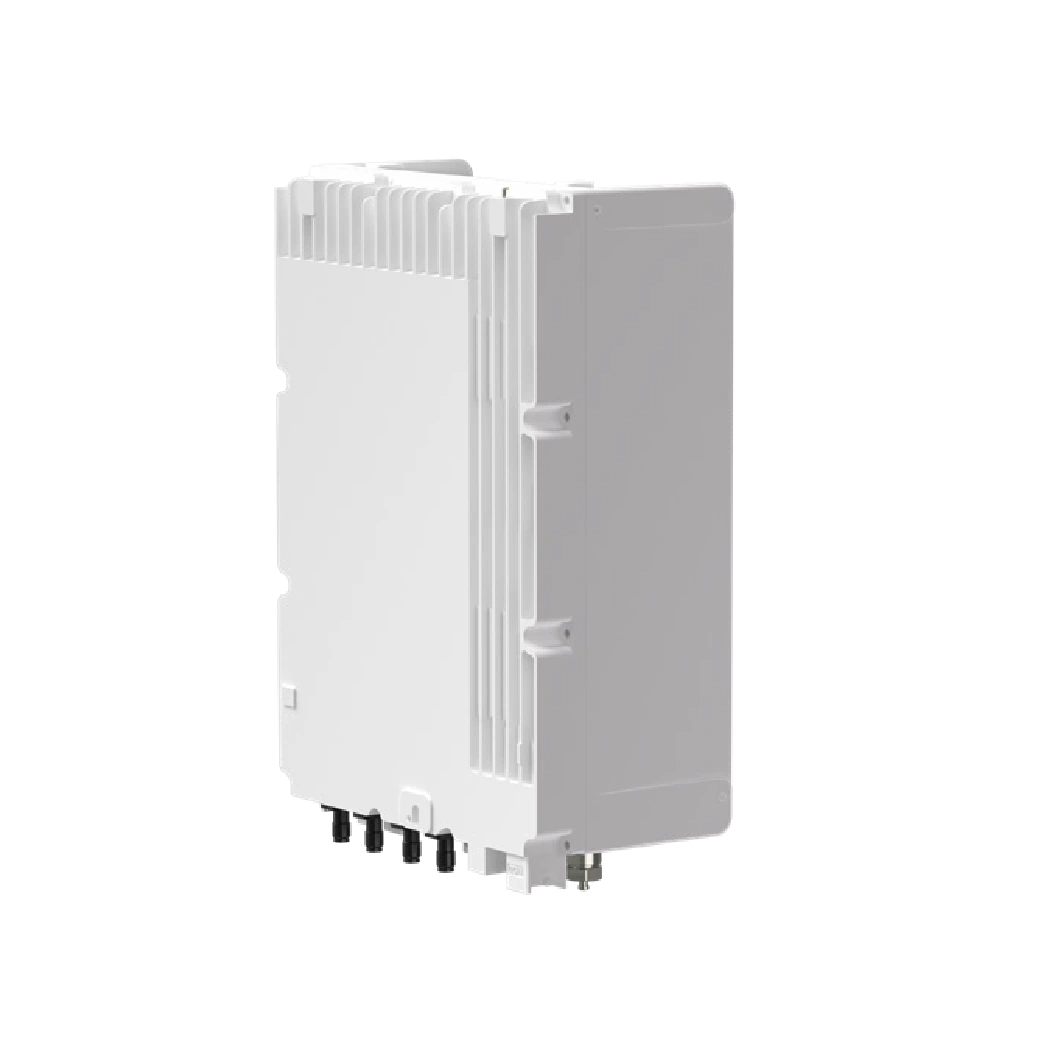
Nokia radio equipment can form part of the access infrastructure, depending on the selected solution. Engineering defines installation locations, antennas, transport and terminals for each area.
Nokia radio portfolioINFRASTRUCTURE / MOBILE NETWORKS
Engineering, deployment and integration of mobile networks for industrial sites and remote operations. From radio access to the EQXCore network core, the design follows field conditions and operational requirements.
Industry / Mining / Forestry / Agriculture

01 / ENGINEERING
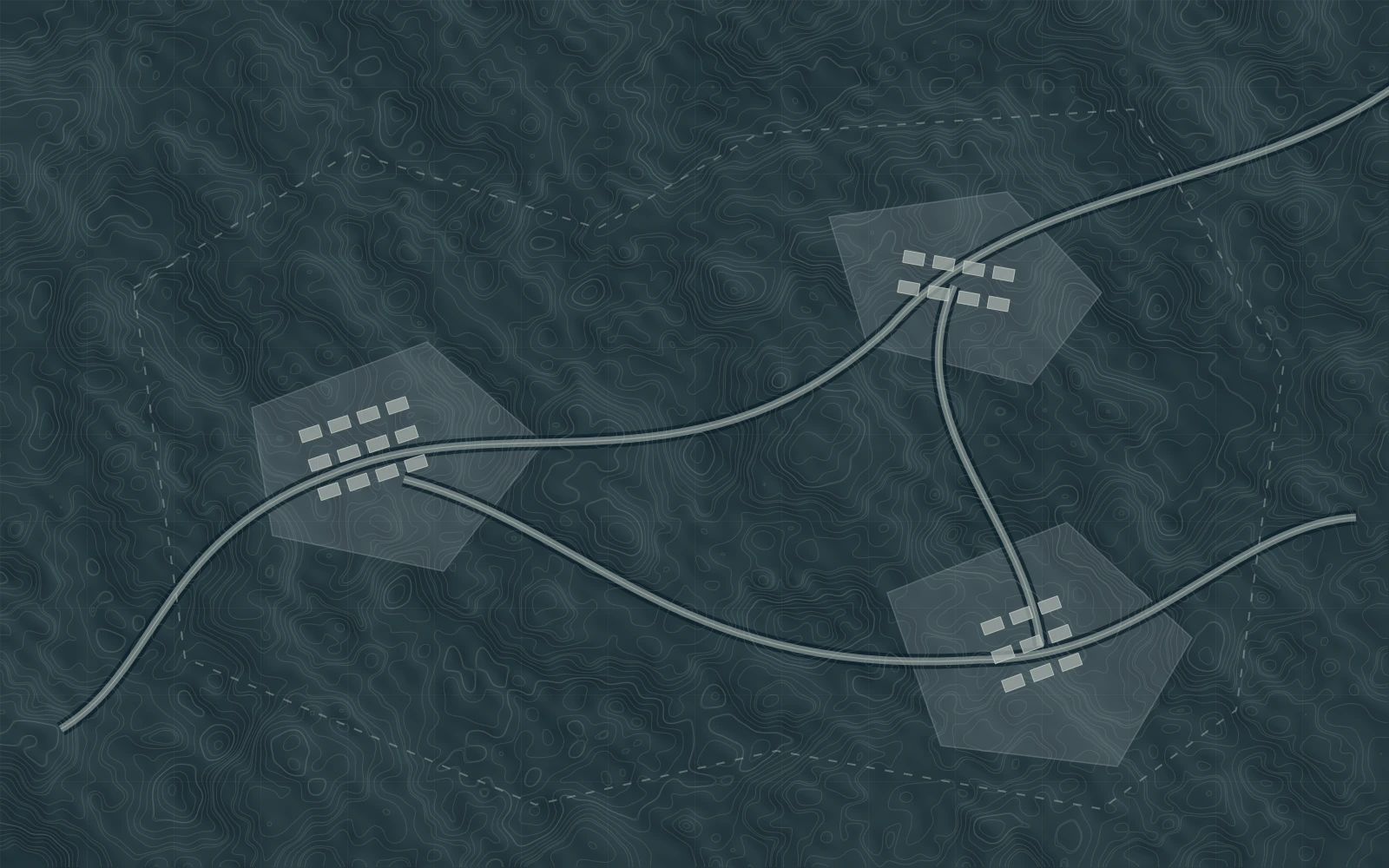
A large site, a yard with moving assets and a metal-clad building call for different solutions. The survey brings these conditions into the network design.
02 / COVERAGE STUDY
Tell us where your operation is located, the area that needs coverage and what you want to connect. Request your free study from the COM3 team.
Get my free coverage study03 / RADIO AND CORE
Nokia radio equipment can form part of the access infrastructure, depending on the selected solution. Engineering defines installation locations, antennas, transport and terminals for each area.
Nokia radio portfolioEQXCore is COM3’s own solution for building and managing private LTE and NR mobile networks. The core is planned alongside applications and the operation’s data paths.
Explore EQXCoreVersions, functions, interfaces and compatibility between radio and core are confirmed through project engineering and testing.
04 / REFERENCE ARCHITECTURE
Devices, radio, core and applications are assessed together. This diagram organizes the functions without replacing the detailed project design.
Compatible routers, tablets, sensors and cameras.
Base stations, antennas and coverage. eNodeB for LTE; gNodeB for 5G NR.
Access and data forwarding according to the defined architecture.
Operational systems, the corporate network and authorized services.
Conceptual diagram. Core location, internet access, segregation and QoS policies depend on the architecture and the functions validated for the installation.
Telemetry across distributed installations, maintenance tablets, professional communication and video can share connectivity planning. Each application enters the design with its own traffic and availability requirements.
05 / DEPLOYMENT AND ACCEPTANCE
The pilot uses the operation’s terminals and applications. Acceptance brings together measurements, failure scenarios and documentation, with criteria agreed for the environment.
Areas, users, applications, infrastructure, spectrum and responsibilities.
Architecture validation with representative radio, core, SIM and devices.
Coverage at locations and along routes, concurrent traffic, mobility and recovery from failures.
Configurations, documentation, team guidance, monitoring and maintenance.
Applications, available spectrum, terminals and planned evolution guide the choice. Different 5G architectures require specific validation.
Processing and services can remain within the operational environment when the architecture supports this. External integrations depend on the corresponding transport. Testing includes loss of internet or backhaul.
YOUR NEXT PROJECT
Location, service area, applications, devices and existing infrastructure are a useful starting point.
Discuss your project Chat on WhatsAppCONTACT COM3